Indian Democracy System Structure History Challenges And Future Of The World Largest Democracy
Indian democracy is one of the largest and most complex democratic systems in the world. It is based on the principles of sovereignty, equality, justice, and liberty as defined in the Constitution of India. Since independence in 1947, India has developed a democratic framework that allows citizens to elect their representatives through regular elections, ensuring participation in governance at national, state, and local levels. The democratic system in India includes institutions such as Parliament, the judiciary, the executive branch, and independent bodies like the Election Commission that safeguard free and fair elections. Indian democracy reflects the diversity of the country, representing multiple languages, cultures, religions, and communities. Over time, it has faced challenges such as political corruption, social inequality, and electoral reforms, yet it continues to evolve and strengthen through constitutional values and public participation. Understanding Indian democracy helps explain how governance, rights, political institutions, and citizen participation shape the functioning of the republic and influence the future of democratic governance in India.
SEO Keywords (Comma Separated)
Indian democracy, democracy in India, Indian political system, constitution of India democracy, democratic system in India, Indian government structure, parliament of India, Indian elections system, election commission India, democratic governance India, Indian republic system, history of Indian democracy, features of Indian democracy, challenges of Indian democracy, Indian democratic institutions, democracy and constitution India, political participation India, rights in Indian democracy, federal system India, democratic governance structure India
SEO Keywords (Comma Separated)
Indian democracy, democracy in India, Indian political system, constitution of India democracy, democratic system in India, Indian government structure, parliament of India, Indian elections system, election commission India, democratic governance India, Indian republic system, history of Indian democracy, features of Indian democracy, challenges of Indian democracy, Indian democratic institutions, democracy and constitution India, political participation India, rights in Indian democracy, federal system India, democratic governance structure India
#Indian democracy
#democracy in India
#Indian political system
#constitution of India democracy
#democratic system in India
#Indian government structure
#parliament of India
#Indian elections system
#election commission India
#democratic governance India
#
Attachments
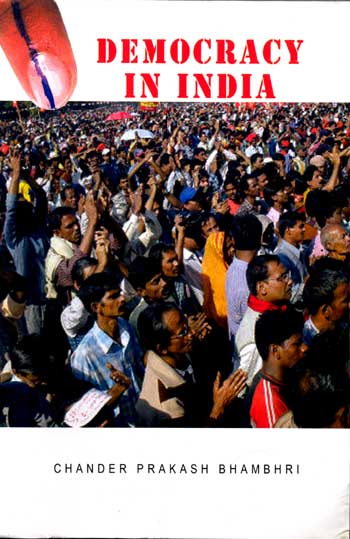
What is democracy and how does it function in India?
Indian democracy is one of the largest and most complex democratic systems in the world. It is based on the principles of sovereignty, equality, justice, and liberty as defined in the Constitution of India. Since independence in 1947, India has developed a democratic framework that allows citizens to elect their representatives through regular elections, ensuring participation in governance at national, state, and local levels. The democratic system in India includes institutions such as Parliament, the judiciary, the executive branch, and independent bodies like the Election Commission that safeguard free and fair elections. Indian democracy reflects the diversity of the country, representing multiple languages, cultures, religions, and communities. Over time, it has faced challenges such as political corruption, social inequality, and electoral reforms, yet it continues to evolve and strengthen through constitutional values and public participation. Understanding Indian democracy helps explain how governance, rights, political institutions, and citizen participation shape the functioning of the republic and influence the future of democratic governance in India.
What are the main features of Indian democracy?
Indian democracy is one of the largest and most complex democratic systems in the world. It is based on the principles of sovereignty, equality, justice, and liberty as defined in the Constitution of India. Since independence in 1947, India has developed a democratic framework that allows citizens to elect their representatives through regular elections, ensuring participation in governance at national, state, and local levels. The democratic system in India includes institutions such as Parliament, the judiciary, the executive branch, and independent bodies like the Election Commission that safeguard free and fair elections. Indian democracy reflects the diversity of the country, representing multiple languages, cultures, religions, and communities. Over time, it has faced challenges such as political corruption, social inequality, and electoral reforms, yet it continues to evolve and strengthen through constitutional values and public participation. Understanding Indian democracy helps explain how governance, rights, political institutions, and citizen participation shape the functioning of the republic and influence the future of democratic governance in India.
What are the major challenges facing Indian democracy today?
Indian democracy is one of the largest and most complex democratic systems in the world. It is based on the principles of sovereignty, equality, justice, and liberty as defined in the Constitution of India. Since independence in 1947, India has developed
1
Related Articles
Mughal Empire in India – History, Rulers, Administration, Culture and Legacy
by DemocracyResearchHub
Dark Web Explained: What It Is, How It Works, and Is It Safe in 2026?
by EnlightenedMind
Best Home Workouts Without Equipment: Full Body Exercises You Can Do at Home
by EnlightenedMind
How Hackers Hack Websites (Ethical Explanation): Common Website Security Vulnerabilities and How to Prevent Them
by PixelLogic
Artificial Intelligence in Daily Life: How AI is Transforming the Way We Live, Work, and Communicate
by PixelLogic